Every fall in Central Kentucky there’s a morning when the windshield is frosted over and the weather app says the low is going to dip into the 20s. In my 12+ years inspecting homes around Lexington, that’s also when I start thinking about pipes, because a single hard freeze is all it takes to turn one exposed water line into a very expensive mess.
The good news is that most freeze problems are preventable with a little prep. Here’s my short list for homeowners, plus what I look at on the plumbing during a home inspection and the one thing I do at every single inspection to help you out.
Freeze Prep: A Quick Checklist
- Disconnect garden hoses. A hose left attached can trap water in the outdoor faucet, and that water can freeze back inside the wall. Drain the faucets once the hoses are off.
- Close up the crawlspace. Shut foundation vents and make sure the crawlspace access door is closed and fits well, so cold air isn’t blowing across your water lines all winter.
- Insulate exposed water lines. Look in the crawlspace, unheated garage, and along exterior walls. Foam pipe insulation from the hardware store is inexpensive and easy to put on.
- Find your main water shutoff now. If a pipe does burst, you want to know exactly where to go, not be crawling around with a flashlight while water runs.
- Keep the heat on. If you’re traveling, leave the thermostat set lower, not off.
What I Check on the Plumbing
A home inspection follows the InterNACHI Standards of Practice, which means a visual, non-invasive look at what’s readily accessible. For plumbing and the areas where pipes usually run, I:
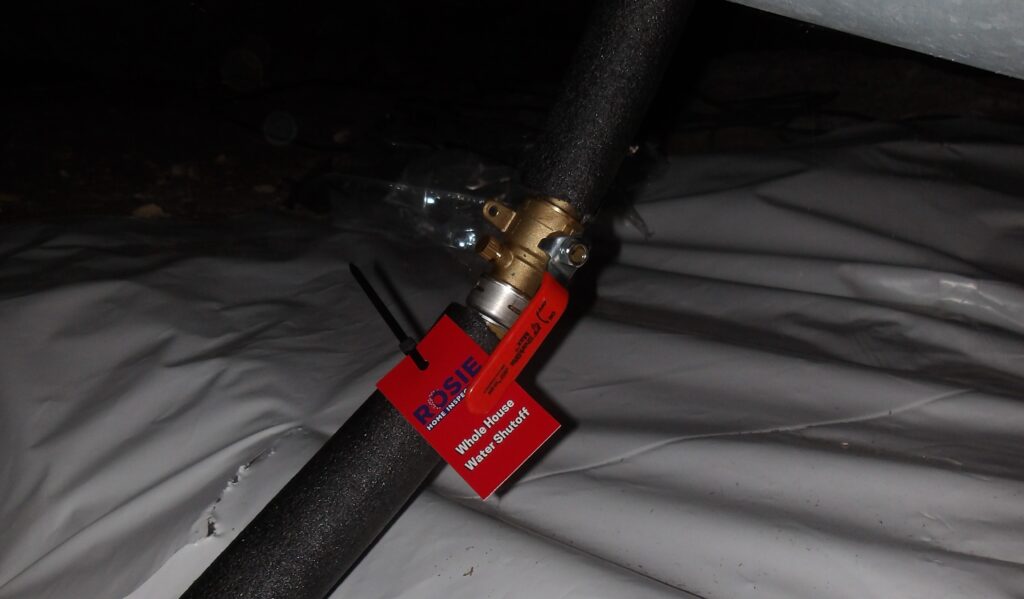
- Locate the main water supply shutoff valve and note where it is in the report.
- Look at the visible water supply and drain lines for leaks, corrosion, damage, and active dripping.
- Run water at the fixtures and check for functional flow and drainage.
- Go into the crawlspace or basement when it’s accessible and look at the foundation, moisture conditions, vapor barrier, and any insulation in those unfinished areas.
- Note exposed supply lines and evidence of past leaks, like water staining or old patched sections of pipe.
What I can’t see, I can’t report on. Pipes hidden inside walls, under floors, or buried underground aren’t part of a visual inspection. If a crawlspace is too tight or blocked to enter safely, I’ll look from the opening and note that limitation in the report.
The Little Red Tag
At every inspection, I hang a bright red Rosie Home Inspections tag on the whole-house water shutoff. Sometimes the valve is right by the water heater. Other times it’s tucked at the far end of a crawlspace behind a duct, and the sellers have long forgotten where it is.
Buyer: “Why the tag?”
Me: “Because on the worst day, when a pipe lets go, the last thing you want to do is hunt for this. Now you’ll know exactly where it is from day one.”
If you’re buying in the colder months, my post on Buying a House in the Winter covers a few other seasonal limitations worth knowing about. And if moisture is the bigger worry, Follow the Water walks through gutters, grading, and crawlspaces.
What to Do With It
If you’re buying: Read the plumbing and crawlspace sections of your report closely. It comes to you within 24 hours of the inspection. Small items like pipe insulation are easy weekend projects, while active leaks are worth having a plumber look at during your inspection period.
If you already own the home: Work through the checklist above before the first hard freeze, and make sure everyone in the house knows where the water shutoff is.
If you’re selling: Insulated pipes, a closed-up crawlspace, and a shutoff that’s easy to get to all make a good impression. A pre-listing inspection lets you find and fix items like these before a buyer’s inspector does.
The Bottom Line
A few minutes of freeze prep now can save you from a burst pipe, a soaked crawlspace, and a big repair bill later. And if you’re buying a home this winter, you’ll walk away from your inspection knowing what shape the visible plumbing is in, plus exactly where to shut the water off.
Buying a home in Lexington or anywhere in Central Kentucky? I’d love to help. Request a quote and schedule your inspection online, or give me a call at 859-227-1780.
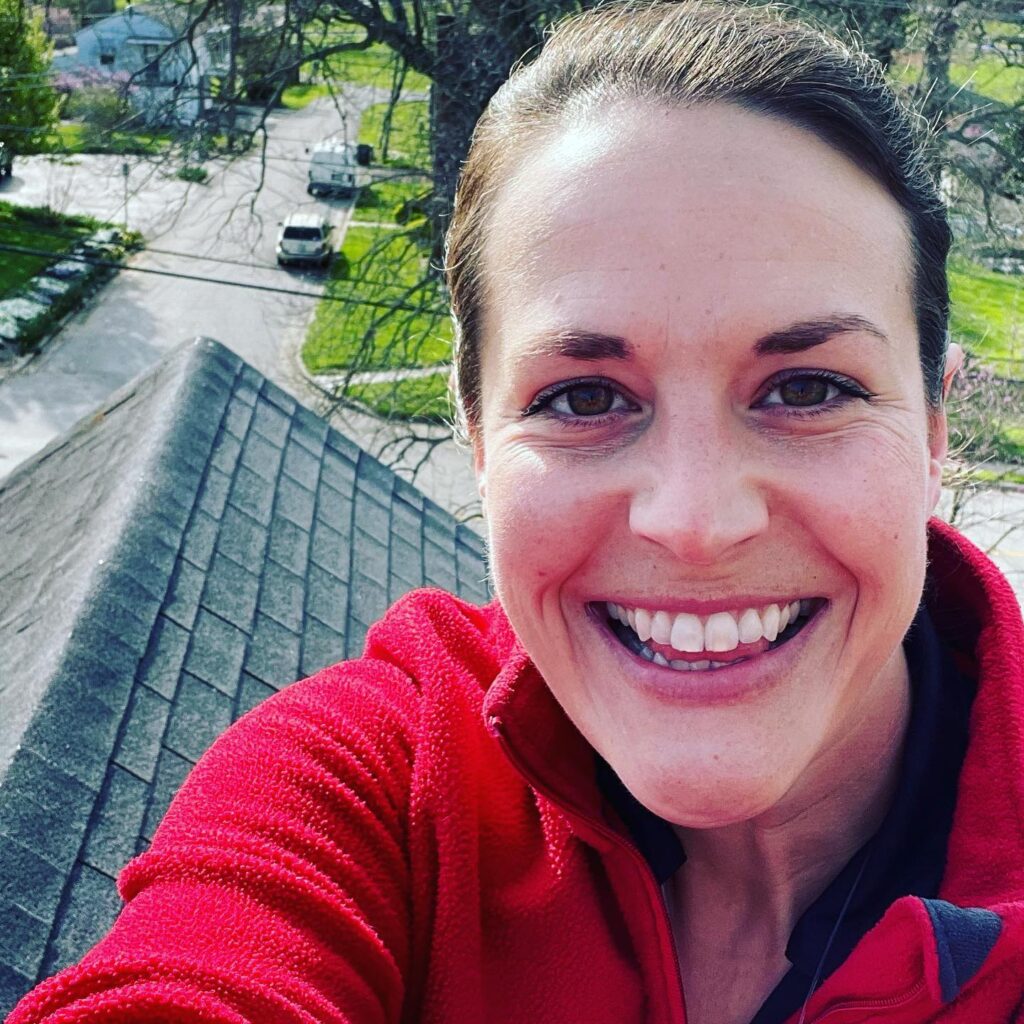
Kari Cheek has been a licensed Home Inspector in the great state of Kentucky since 2014.
Need Inspection Services in Central Kentucky? Schedule your appointment today!
Kari Cheek (KY HI #103786)
Rosie Home Inspections
(859) 227-1780
[email protected]