
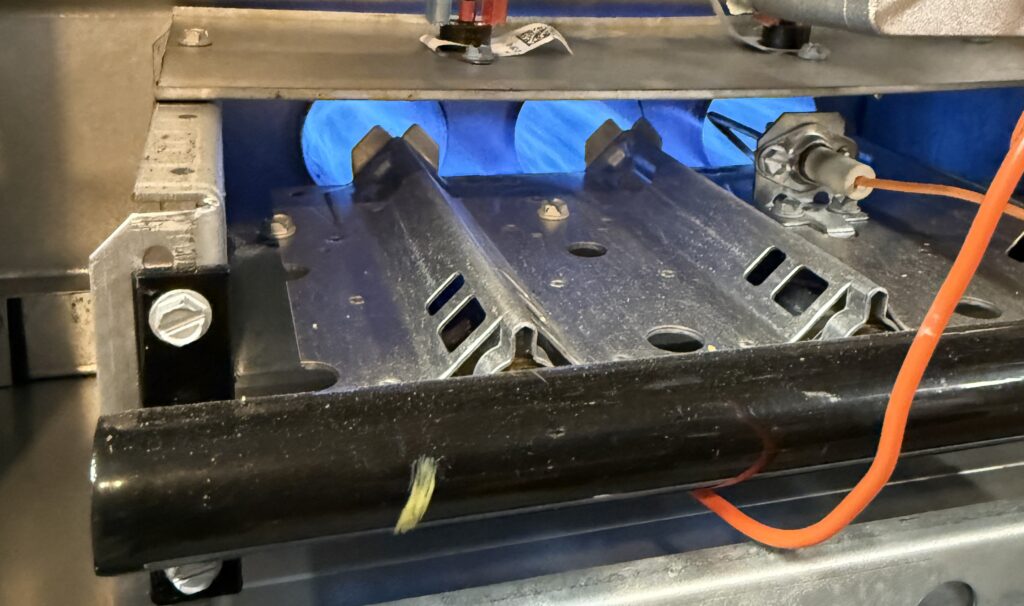
Every October there’s a night when the temperature finally drops, someone in the house says “okay, turn on the heat,” and the whole place fills with that dusty, first-run-of-the-season smell. In my 12+ years inspecting homes in Central Kentucky, that’s also about the time my phone starts filling up with buyers asking, “What are you going to look at on the furnace?”
It’s a great question, and the answer is a little different from what a lot of people expect. Here’s what I check, what I don’t, and what to do with what’s in the report.
What I Check on the Heating System
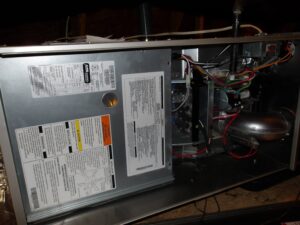
A home inspection follows the InterNACHI Standards of Practice, and for heating that means a visual, non-invasive look at the system plus a check that it actually runs. During the inspection I:
- Turn the system on using the normal controls—the thermostat—and confirm it responds and produces heat.
- Note the location of the thermostat, the energy source (gas, electric, oil, propane), and the type of system (furnace, heat pump, boiler, and so on).
- Open readily accessible access panels and look at the visible components for things like rust, corrosion, water staining, damaged wiring, or missing covers.
- Look at the visible venting on fuel-burning equipment to see whether it’s connected and in reasonable condition.
- Walk through the house and check for a heat source in the living spaces.
What I don’t do is take the unit apart. A home inspection doesn’t include dismantling the furnace, inspecting the heat exchanger, measuring efficiency, or deciding whether the system is properly sized for the house. Those are jobs for a licensed HVAC contractor with the tools and training to go deeper.
“So, How Old Is It?”
This is probably the single most common heating question I get. When the manufacturer’s data plate is readable, I’ll often note the approximate age in the report. Here’s how that conversation usually goes:
Buyer: “It’s old. Does that mean it’s bad?”
Me: “Not necessarily. It ran today and made heat. Age just tells you it’s further along in its life, so it’s smart to plan for a replacement down the road instead of being surprised by one.”
I’ve seen older furnaces that were clearly well cared for, and newer ones that obviously hadn’t seen a filter change in years. Age is useful information, but it isn’t a defect on its own. Maintenance history matters too, so it never hurts to ask the sellers for any service records they have.
Heat Pumps Are Everywhere Around Here
A lot of homes in Lexington and the surrounding towns heat with a heat pump instead of (or alongside) a gas furnace. Heat pumps work a little differently, and a couple of things surprise people:
- The air coming out of the registers often feels warm rather than hot. That’s normal for a heat pump.
- Many have backup electric heat strips that kick in when it gets colder or when the house needs to warm up quickly.
- Once it’s chilly outside, I generally won’t run the system in cooling mode, because doing that in cold weather can damage the equipment. That’s one of the seasonal limitations I wrote about in Buying a House in the Winter, and I’ll note it in the report when it applies.
Common Things I Write Up
Most heating findings aren’t emergencies, but they’re worth understanding. Here’s what I often see:
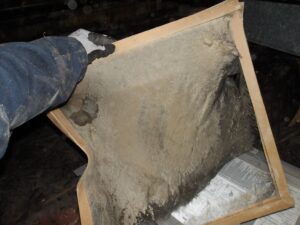
- A dirty or missing filter. Easy fix, but it can also be a clue about how the system has been maintained.
- Rust or water staining inside the cabinet or around the unit, sometimes from a condensate line that’s leaking or not draining where it should.
- Vent pipes that are loose, separated, or rusted. On gas equipment, venting carries combustion gases out of the house, so I always recommend prompt evaluation by an HVAC contractor when something looks off.
- A room with no heat source, which is common in finished basements, sunrooms, and additions.
- A system that didn’t respond to the thermostat, or shut off unexpectedly while I was testing it.
When I see something like this, my report will describe what I observed and recommend a licensed HVAC contractor for further evaluation and repair. And while we’re on the subject of fuel-burning appliances: if your home has gas heat, a gas water heater, a fireplace, or an attached garage, working carbon monoxide alarms are a simple, inexpensive bit of peace of mind.
What to Do With It
If you’re buying: Read the heating section of your report closely—it comes to you within 24 hours of the inspection. If I recommended an HVAC evaluation, try to get that scheduled while you’re still within your inspection period, so you and your Realtor have the full picture before you make any decisions.
If you already own the home: Fall is the time to have the system serviced, before the first real cold snap when every HVAC company in town is booked up. Change the filter, keep the area around the furnace clear of storage, and make sure nothing is blocking your supply registers or return vents.
If you’re selling: A recent service by an HVAC contractor, with the receipt left on the counter, goes a long way toward reassuring buyers. If you’d like to know what a buyer’s inspector is likely to find before you list, a pre-listing inspection gives you time to deal with it on your own schedule.
The Bottom Line
A furnace or heat pump that turns on and makes heat during the inspection is good news, but it’s only part of the story. Understanding the system’s age, condition, and any items worth a closer look by an HVAC pro helps you head into winter without surprises.
Buying a home in Lexington or anywhere in Central Kentucky this fall? I’d love to help. Request a quote and schedule your inspection online, or give me a call at 859-227-1780.