
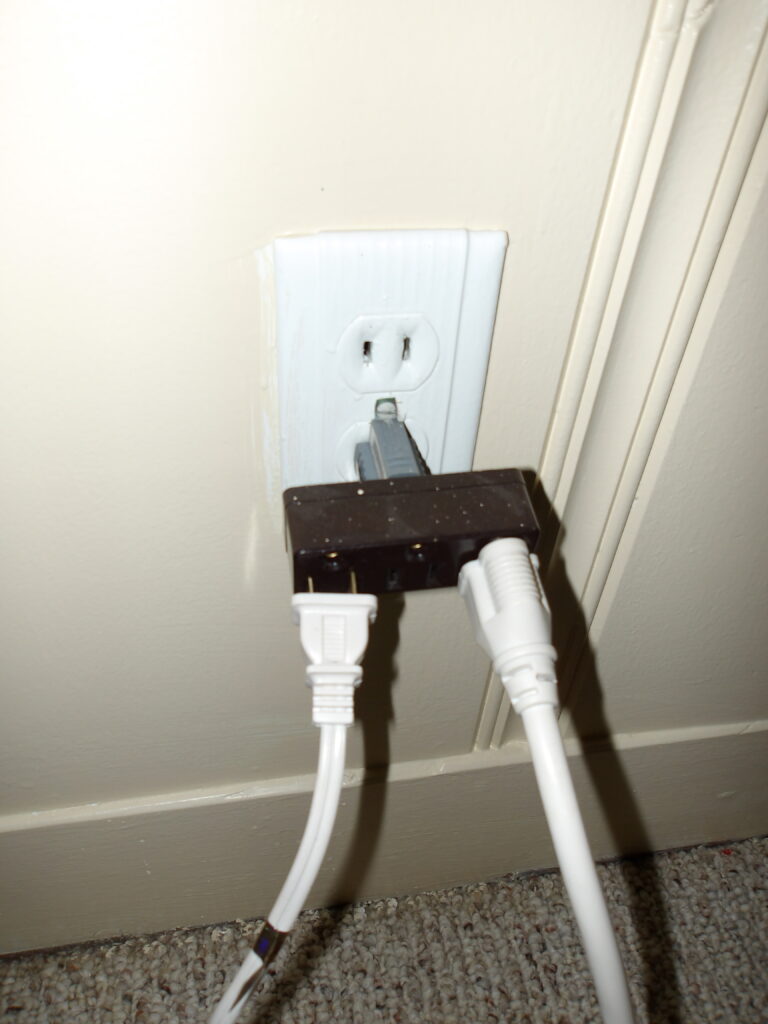
In my 12+ years working as a professional home inspector in Central Kentucky, I’ve inspected hundreds of older homes with two-wire electrical systems.
Without fail, the conversation explaining this issue to a prospective home buyer usually goes something like this:
Me: “This home has an ungrounded electrical system.”
Buyer: “Wait…is that dangerous?”
It’s a fair question, but the answer usually surprises people. Not necessarily.
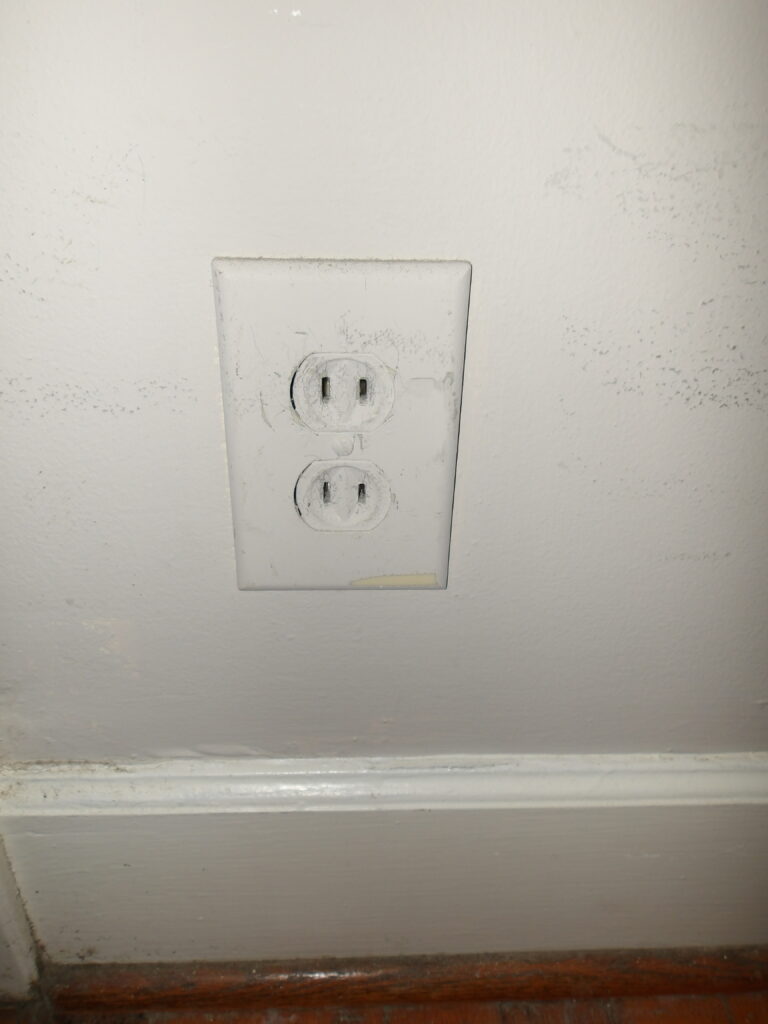
If you’ve fallen in love with a charming older home, there’s a good chance it was built before grounding conductors became standard. That doesn’t automatically mean the electrical system is unsafe—it simply means it was built to the standards of its day. Let’s talk about what an ungrounded electrical system actually is, why it exists, and when it deserves a closer look.
Fun Fact: Electricity Doesn’t Need a Ground Wire to Work
Many people assume the ground wire is what makes electricity work. It isn’t. Your lights don’t care. Neither does your refrigerator, your coffee maker, or that lamp your grandmother swears has been working perfectly since the Nixon administration.
The ground wire isn’t there to make electricity flow—it’s there for the day something doesn’t work the way it should. Think of it like the emergency exit in a building. Most days, nobody uses it. But if something goes wrong, you’re awfully glad it’s there. If an appliance develops an internal fault, the grounding conductor provides a safe path for stray electricity to return to the electrical panel. That allows the circuit breaker to trip quickly instead of allowing the appliance’s metal housing to remain energized.
Why Older Homes Don’t Have Ground Wires
Electrical systems have changed tremendously over the years. Homes built decades ago were wired according to the electrical standards of the time, and two-wire branch circuits were completely acceptable. Builders weren’t cutting corners—they were installing what was considered modern and safe at the time.
One of the things I enjoy most about inspecting older homes is seeing how building practices have evolved. Every generation thought they had construction figured out…until the next generation found a better way. Electrical systems are no exception.
So…Should You Be Concerned?
Usually, no. Should you understand the limitations? Absolutely. An ungrounded electrical system doesn’t offer the same level of protection as modern grounded wiring. Electronics, surge protectors, and appliances with metal housings all benefit from having a proper equipment ground. But here’s the important part:
An older electrical system doesn’t automatically equate to a bad electrical system.
I’ve inspected plenty of 1950s homes with original wiring that was neat, well-maintained, and showing no signs of abuse.
I’ve also inspected homes built in the 2000s where someone clearly believed YouTube made them a licensed electrician. Age alone doesn’t tell the whole story.
What Actually Gets My Attention
Ironically, the missing ground wire usually isn’t the part that concerns me the most.
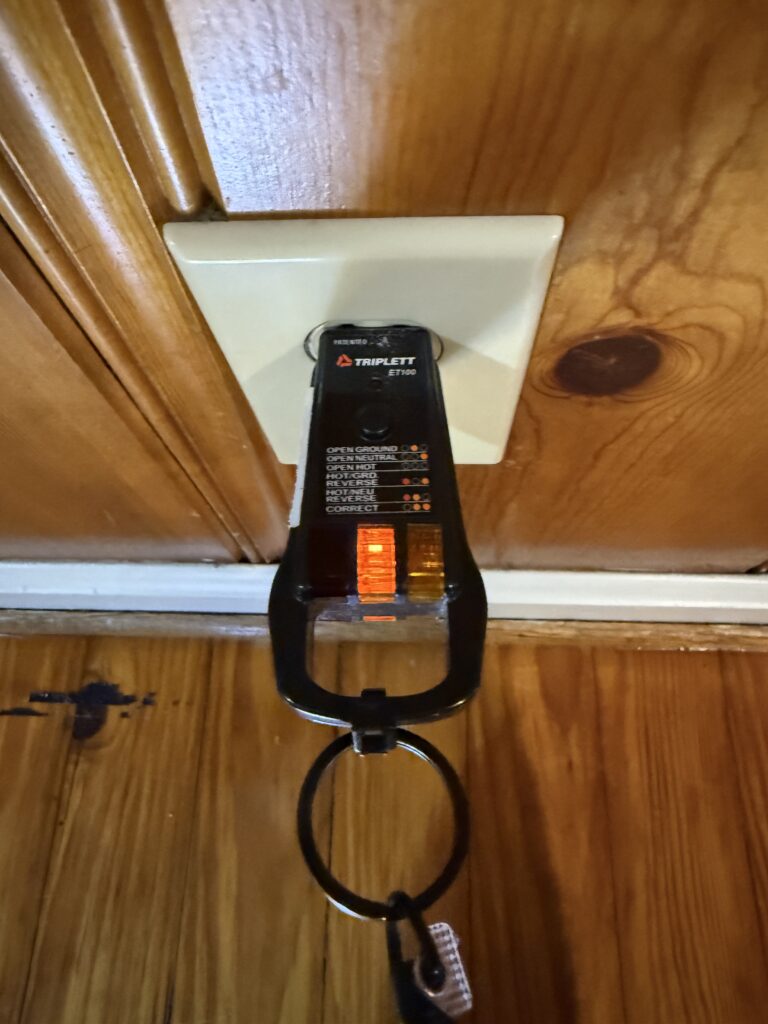
It’s what homeowners have done over the last 50 or 60 years. One of the most common issues I encounter is finding original two-wire circuits that now have modern three-prong receptacles installed. At first glance, that sounds like an upgrade. Sometimes it is. Sometimes…it isn’t.
If those receptacles weren’t installed using an approved method, they can create the appearance of a grounded outlet when no equipment ground actually exists. That’s one reason we test receptacles during every home inspection instead of simply assuming everything is correct because it looks modern. I’ve learned over the years that electrical systems can be a lot like people—looking put together on the outside doesn’t always mean a healthy interior.
Can It Be Improved?
Absolutely. Depending on the home, options may include installing GFCI protection where permitted by current electrical standards, rewiring portions of the home during future renovations, or upgrading the system over time. Every home is different, and every buyer has different goals and budgets. Fortunately, upgrading an electrical system doesn’t always have to happen on day one.
That’s Where a Home Inspection Comes In
When I tell clients a home has an ungrounded electrical system, I’m not trying to scare them.
I’m trying to give them context. Buying a home is stressful enough without assuming every older feature is a major defect. My job is to explain the difference between a home that’s simply showing its age and one that’s showing signs of a real problems. Sometimes the biggest value of a home inspection isn’t finding defects. It’s helping buyers understand the house they’re about to call home.
If you’re buying an older home in Central Kentucky, Rosie Home Inspections will help you understand what you’re seeing, what it means, and whether it’s simply a reflection of the home’s age—or something that deserves further evaluation.

Kari Cheek has been a licensed Home Inspector in the great state of Kentucky since 2014.
Need Inspection Services in Central Kentucky? Schedule your appointment today!
Kari Cheek (KY HI #103786)
Rosie Home Inspections
(859) 227-1780