
Solar Panels in Real Estate Transactions (Kentucky)
Solar panels are showing up more often in residential real estate across Kentucky. While they can be a positive feature, they also introduce a layer of complexity that isn’t always obvious during a typical home purchase.
Most of the issues that arise aren’t necessarily defects—they come from unclear or incomplete information about the system.
Solar Is Becoming More Common—But Still Not Well Understood
As solar adoption increases, more systems are being transferred during real estate transactions. However, the process around buying and selling homes hasn’t fully adapted to account for them.
Information from Sprk indicates that solar systems in real estate are often:
- Undervalued
- Underdisclosed
- Misunderstood
That aligns with what’s being seen in the field—solar is present, but not always clearly explained.
Ownership Matters More Than Most People Expect
One of the first things that should be clarified is how the system is structured financially.
Solar panels may be:
- Owned outright
- Financed
- Leased through a third party
Each of these scenarios affects how the system transfers during a sale. In some cases, additional steps are required prior to closing. When these details aren’t identified early, delays can occur.
Why Solar Can Complicate a Transaction
Solar systems involve more than just physical components. There may be:
- Third-party agreements
- Utility interconnection arrangements
- Ongoing financial obligations
According to Sprk, transactions involving solar can encounter issues when these factors aren’t clearly documented or understood upfront.
Solar Panels and the Home Inspection
Solar panels are specifically excluded from a general home inspection.
A standard home inspection is limited to evaluating the home’s primary systems and components that are visible and readily accessible at the time of the inspection. Solar systems fall outside of that scope and are considered a specialized inspection type.
While an inspector may note the presence of a solar system, they are not:
- Evaluating system performance
- Determining energy production
- Reviewing installation specifications
- Assessing financial agreements or contracts
A full evaluation of a solar system requires a qualified solar professional or a dedicated solar inspection service.
What Realtors and Buyers Should Do When Solar Is Present
When a home has solar panels, a few additional steps can help prevent confusion and delays during the transaction. Because solar systems fall outside the scope of a general home inspection, these details need to be addressed separately.
For Realtors
- Identify the solar system early
Confirm whether the property has solar at the time of listing—not later in the transaction. - Clarify ownership
Determine whether the system is owned, financed, or leased. This affects how it transfers and what documentation is needed. - Request documentation upfront
This may include installation details, warranties, loan or lease agreements, and any available production data. - Disclose clearly in the listing
Providing accurate information early helps set expectations and reduces back-and-forth during escrow. - Coordinate with lenders and title early if needed
Financed systems or leases may require additional steps prior to closing.
For Buyers
- Ask how the system is owned
Understanding whether the system is owned, financed, or leased is key to knowing what you’re taking on. - Request documentation before closing
This includes contracts, warranties, and any available performance information. - Do not assume the system has been evaluated
Solar panels are not included in a general home inspection. - Consider a specialized solar inspection or evaluation
If the system is a significant factor in your decision, a qualified solar professional can provide a more complete assessment. - Understand what transfers with the home
This includes not just the equipment, but any associated agreements or obligations.
The Importance of Clear Documentation
Because solar systems are not covered in a general home inspection, documentation becomes especially important during a transaction.
Resources like Sprk are designed to help organize key information, such as:
- System specifications
- Ownership or financing details
- Basic performance data
Having this information available early in the process helps reduce uncertainty and prevents last-minute questions.
How Solar Affects Value
Solar can contribute to a home’s value, but only when the system is clearly understood.
If ownership, condition, and performance details are unclear, buyers may view the system as an unknown rather than an asset. That uncertainty can influence how the property is evaluated during the transaction.
Final Thoughts
Solar panels are likely to become more common in Kentucky real estate, but they still require a different level of consideration than standard home components.
From an inspection standpoint, the key point is straightforward:
solar systems are outside the scope of a general home inspection and should be evaluated separately when needed.
Clear information—especially early in the process—goes a long way toward keeping a transaction on track.
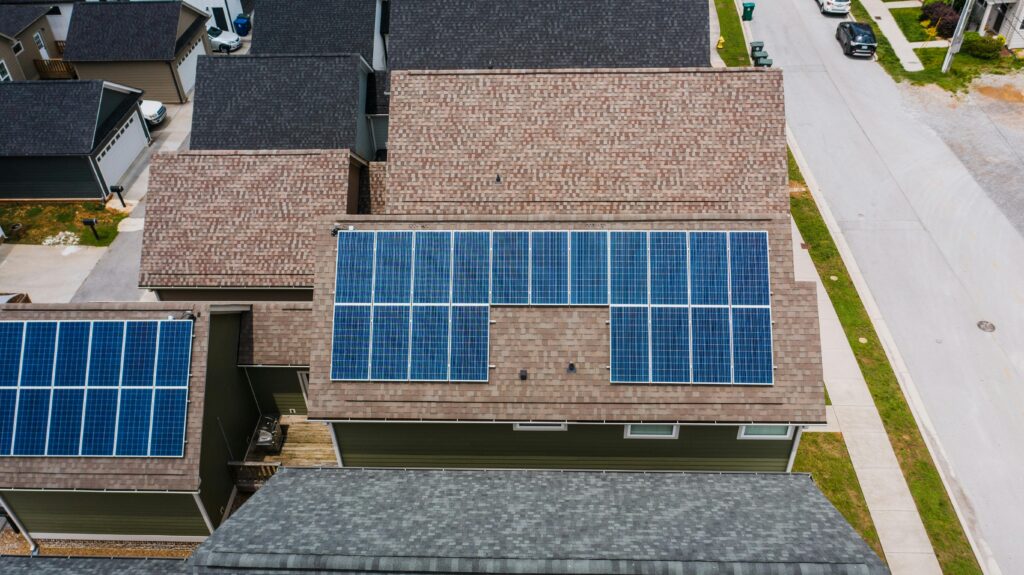
Call Rosie Home Inspections for your inspection services when solar panels are installed on the house. We Can Inspect It!

Kari Cheek has been a licensed Home Inspector in the great state of Kentucky since 2014.
Need Inspection Services in Central Kentucky? Schedule your appointment today!
Kari Cheek (KY HI #103786)
Rosie Home Inspections
(859) 227-1780